

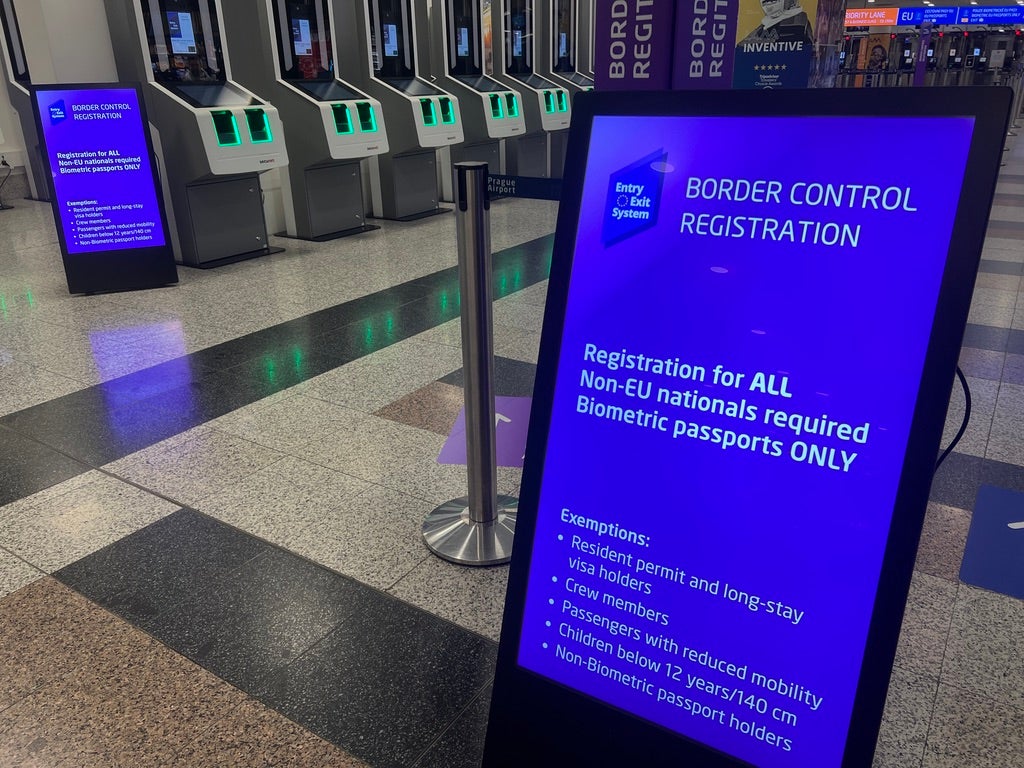

Why border policy changes trigger spikes in buy passport searches
Sudden rule shifts reshape traveler behavior
When border regimes tighten or digitize, search behavior changes overnight. Updates driven by the European Union, the Schengen Area, and partner states alter entry checks, validity rules, and data sharing—creating urgency and confusion that fuels spikes in buy passport queries across regions.
Key points
-
New checks reduce tolerance for errors and expired documents
-
Real-time verification replaces manual discretion
-
Travelers react before guidance fully circulates
Why this matters now
Border controls are no longer static. Digital entry/exit systems, biometric screening, and tighter airline compliance compress timelines. As policies roll out unevenly, anxiety grows—especially among frequent cross-border travelers and students abroad.
Key points
-
Compliance windows shrink
-
Penalties escalate quickly
-
Information gaps widen during transitions
Five latest topics driving search surges
1) Digital border systems accelerate enforcement
Automated checks flag discrepancies instantly, leaving little room for correction at the border.
Highlights
-
Biometrics and databases synced across states
-
Airline pre-boarding checks intensify
-
Denials occur before departure
2) Passport validity buffers narrow
More destinations enforce strict “months remaining” rules with no waivers.
Highlights
-
Six-month validity becomes non-negotiable
-
Emergency renewals face backlogs
-
Missed connections and rebookings rise
3) Carrier liability expands
Airlines bear fines for transporting non-compliant passengers, prompting stricter document screening.
Highlights
-
Earlier gate refusals
-
Fewer discretionary exceptions
-
Increased pre-travel verification
4) Misinformation spreads faster than guidance
Social platforms amplify shortcuts and “solutions,” often without context.
Highlights
-
Viral posts outpace official notices
-
Fragmented advice across languages
-
Panic-driven searches spike
5) Mobility pressure during peak seasons
Policy updates colliding with holidays and academic terms intensify urgency.
Highlights
-
Students and seasonal workers most affected
-
Appointment shortages worsen
-
Searches surge late at night and weekends
Why students abroad search buy passport when documents expire
Academic timelines collide with border reality
International students operate on fixed calendars. When passports near expiry mid-semester, options narrow quickly—driving searches for buy passport terms linked to urgency and continuity.
Key points
-
Exams and visas hinge on valid travel documents
-
Renewal abroad is slower than at home
-
Missed deadlines jeopardize status
Five latest topics influencing student searches
1) Consular backlogs abroad
Embassies face appointment congestion, extending wait times beyond term limits.
Highlights
-
Limited emergency slots
-
Regional processing delays
-
Courier disruptions
2) Visa validity tied to passport expiry
Many visas auto-limit to passport dates, compressing legal stay.
Highlights
-
Shortened visas trigger reapplications
-
Re-entry risks after travel
-
Housing and work permits impacted
3) University compliance checks
Institutions increasingly verify document validity for enrollment and housing.
Highlights
-
Registration holds
-
Internship eligibility risks
-
Scholarship compliance issues
4) Border re-entry uncertainty
Students traveling home during breaks face re-entry refusals with near-expired passports.
Highlights
-
Airline denials before boarding
-
Lost tuition periods
-
Financial strain
5) Online marketplaces exploit urgency
Under pressure, students encounter platforms advertising speed—such as document marketplaces, cross-border options, and mobility narratives—that surface prominently in search results during crises.
Highlights
-
Time-based persuasion
-
Claims of “registered” documents
-
Global targeting of student keywords
Real-world use cases
-
Policy update week: Searches spike within 48 hours of announcements
-
Semester midpoint: Students discover expiry conflicts
-
Holiday travel: Airlines enforce stricter checks
Some users browse shop listings or passport pages alongside adjacent offers like driving licences, USA licences, Canadian licences, Australian licences, USA ID cards, and Australian ID cards when deadlines loom.
Common mistakes people make
-
Waiting until weeks before expiry
-
Assuming airlines will allow discretion
-
Relying on unverified online claims
-
Overlooking host-country rules
Practical safeguards and best practices
-
Track passport validity against travel plans
-
Book consular appointments early
-
Monitor official transport and border guidance such as [authority updates]( https://md.gov.cz /)
-
Maintain digital copies and alerts
-
Seek verified information channels; use official contact points to distinguish guidance from marketing
Clear takeaway
Border policy shifts and academic timelines create predictable pressure points. When enforcement tightens and renewals lag, search behavior surges—especially among students abroad. Anticipation and verified planning reduce last-minute risk in an environment where borders no longer bend.
FAQ
1) Why do passport searches spike after policy changes?
Because enforcement tightens immediately while guidance lags, creating urgency.
2) Are students more affected than tourists?
Yes. Fixed academic calendars and visa dependencies magnify risk.
3) How early should passports be renewed?
Ideally 9–12 months before expiry if international travel is planned.
4) Do airlines check validity before boarding?
Increasingly yes, due to carrier liability rules.
5) Where should travelers verify requirements?
Use official government and transport authority sources before booking or travel.